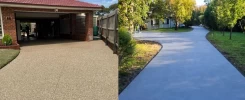
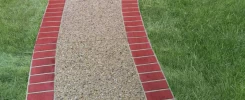
Exposed aggregate concrete has become one of the most popular choices for homeowners and designers who want a surface that blends durability with style. From a striking exposed aggregate concrete driveway to elegant pathways, patios, and pool surrounds, exposed aggregate concrete delivers long-lasting performance and a unique look that enhances any property. Understanding how to plan, pour, and finish exposed aggregate concrete ensures that your project not only looks amazing but also stands the test of time.
Building Exposed Aggregate Concrete – Preparing the Site
The process of building exposed aggregate concrete begins with careful site preparation. A stable base is critical for any concrete surface, especially one designed for vehicles such as a driveway. Correct excavation, compaction, and levelling prevent cracking and uneven settlement later. Because an exposed aggregate concrete driveway or patio is often exposed to rain and heavy use, it’s also essential to design proper drainage and gentle slopes to move water away from buildings and landscaped areas.
Choosing the Right Mix and Aggregates
Selecting the right mix and aggregates for exposed aggregate concrete is where the decorative possibilities really open up. Exposed aggregate concrete allows you to showcase a wide range of aggregate colours, textures, and sizes — from natural river pebbles for a softer, earthy look to bold, polished stones for a contemporary statement. This flexibility makes it one of the most versatile forms of decorative concrete. Work with your concrete supplier to choose a mix that achieves your desired aesthetic while meeting strength requirements.
Pouring and Finishing the Concrete
Once you have prepared the base and chosen your materials, the concrete is poured much like a standard slab. Reinforcement, control joints, and consistent thickness will ensure your concrete driveway or patio performs well under load. The surface is then treated with a retarder to slow the setting of the top layer so that the underlying exposed aggregate concrete can be revealed later. Timing is crucial; too early or too late can compromise the finish.
Exposing the Aggregate Surface
Exposing the aggregate is what gives this decorative concrete its distinctive look. After the slab has partially cured, the thin layer of cement paste on top is removed using high-pressure water, brushing, or both. This process reveals the embedded stones and creates a naturally slip-resistant finish that is perfect for driveways, paths, and pool surrounds. The combination of colour, texture, and pattern you select for your aggregate colours will determine how dramatic or subtle your finished surface appears.
Curing and Sealing for Longevity
Proper curing and sealing complete the job. Keeping the new exposed aggregate concrete moist during the initial curing period maximises its strength, while applying a high-quality sealer enhances the aggregate colours and protects against stains, weather, and UV damage. Regular resealing every few years will maintain the rich appearance and extend the life of your exposed aggregate concrete driveway or patio.
Benefits of Exposed Aggregate Concrete
Building an exposed aggregate concrete surface takes planning and precision, but the rewards are significant. This type of decorative concrete not only adds value to your property but also creates a visually appealing, functional area that can last for decades with minimal maintenance. Whether you are replacing an old driveway or designing a brand-new outdoor space, this guide gives you the foundation to create a stunning, hard-wearing feature that elevates your home.